Gestalt Principles
Autumn 2025
Similarity
- Objects that look alike are perceived as being related.
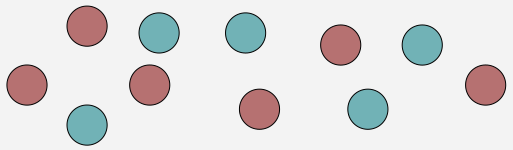
Similarity
- Objects that look alike are perceived as being related.
Implications:
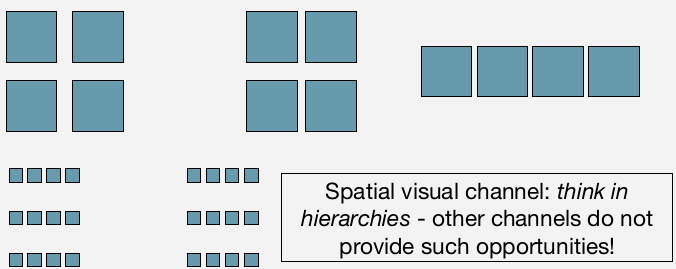
- How should we visually encode nominal data?Proximity
Objects that are in close spatial proximity are perceived as belonging together.
How do you group?
Closure
- Objects that are composed by a set of elements which do not actually touch each other.

Enclosure
- Objects that are bound by a common region perceived as belonging together.
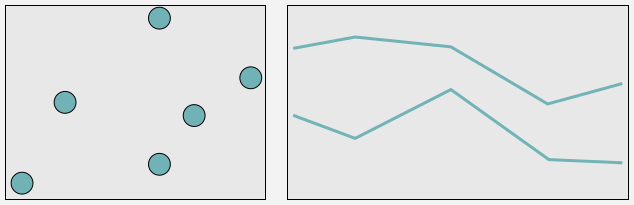
Enclosure
- Objects that are bound by a common region perceived as belonging together.
Implications:
- Ensure sufficient discrimination between your plots.
- Don’t let marks “float in space”.
Connectedness
- Objects that are visually connected in some form are perceived as related.
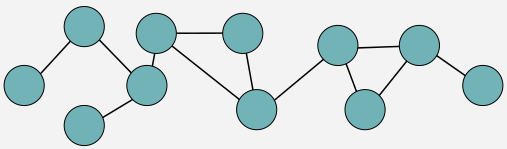
Connectedness
- Objects that are visually connected in some form are perceived as related.
Implications:
- Encode graph, networks, clusters, or groups in general.Continuity
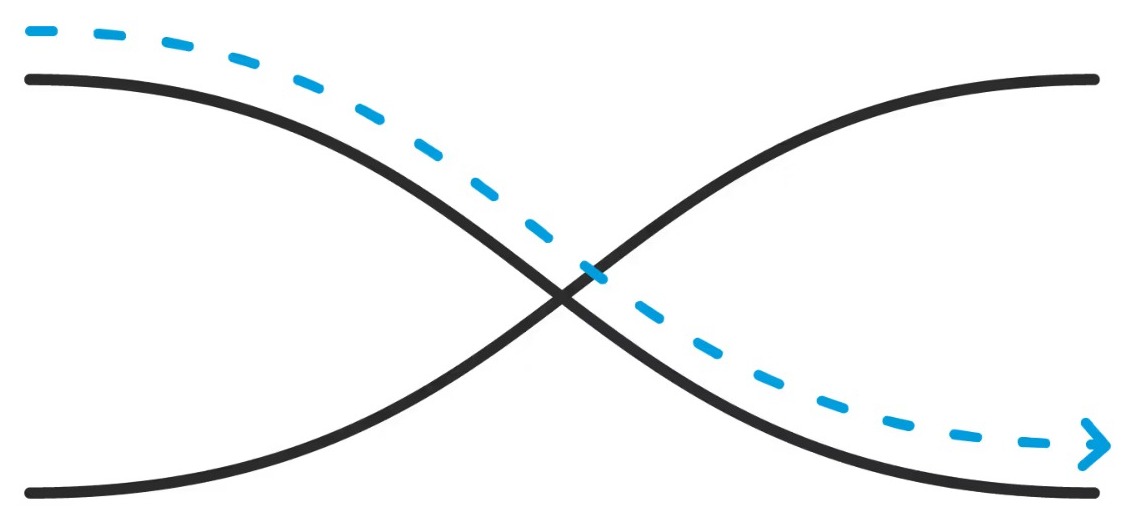
- Objects that are perceive as a single uninterrupted object when intersect.
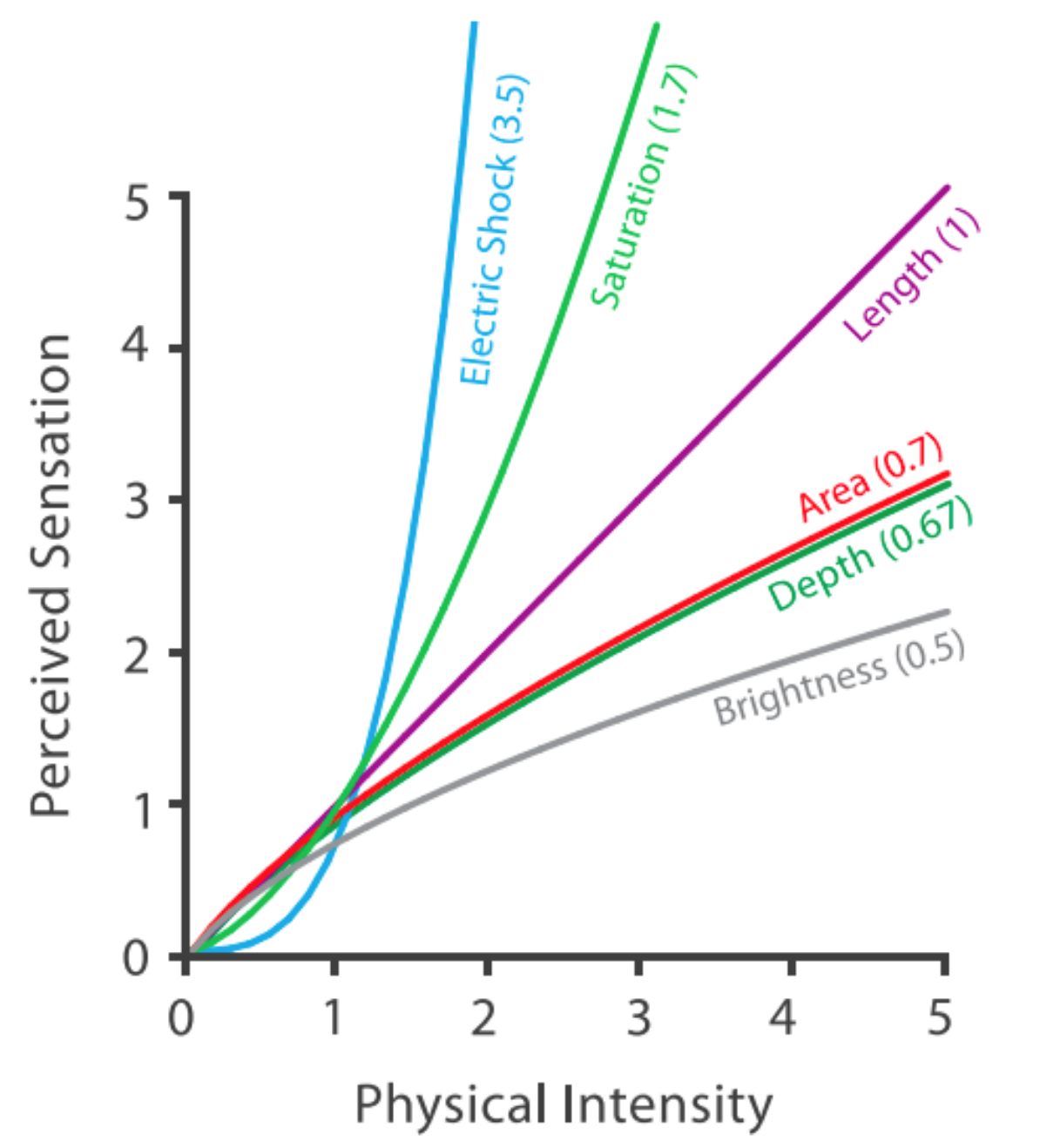
Intensity vs perception
- Some features are more visible by humans
Summary
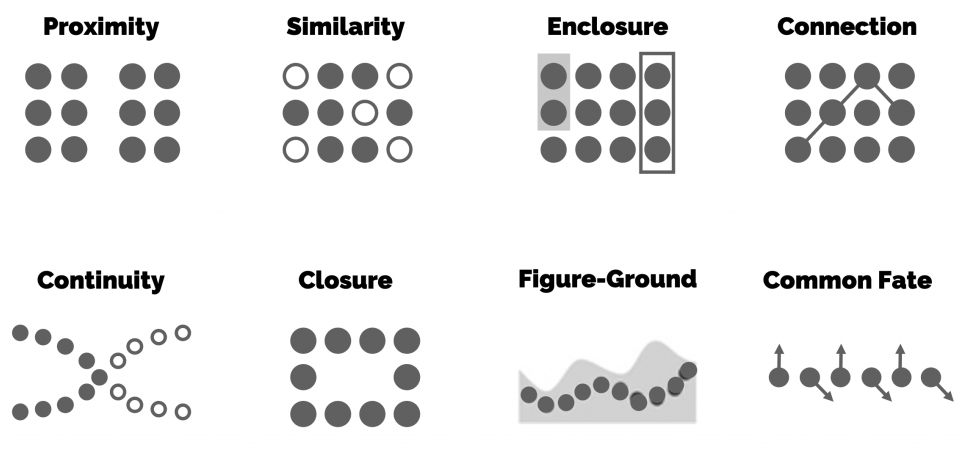
Among others …
